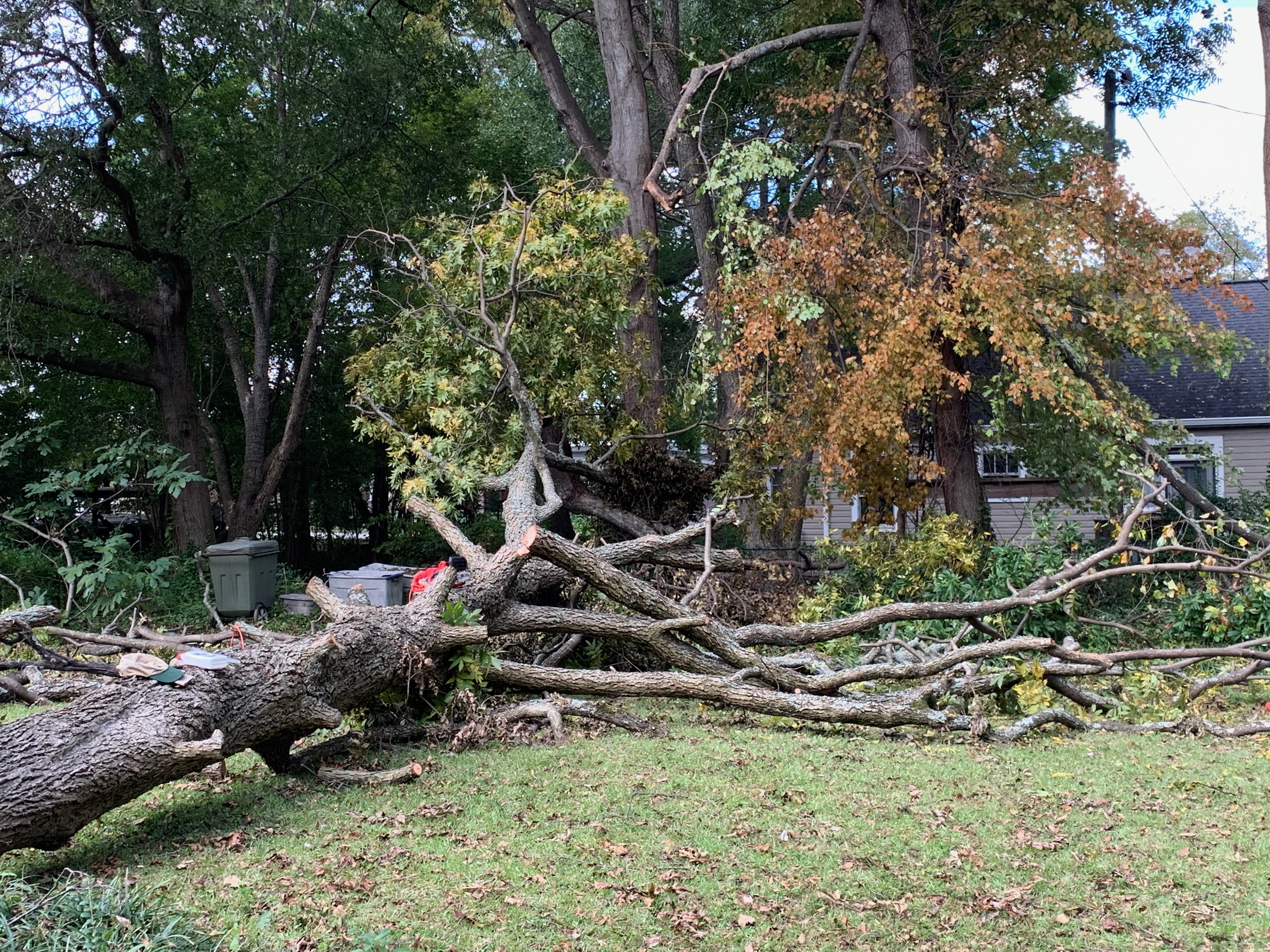
During hurricane season, it is important to be prepared. You
hope you won’t need to use this information but it is good to have.
According to
AARP,
you need a “Go” bag with these things:
“1. Basic electronics - Pack an
extra phone charger in case you’re fortunate enough to have electricity, and a
portable battery pack in case you’re not. Also stash a long-lasting LED
flashlight. Pack a small hand-cranked or battery-operated AM/FM radio (with
extra batteries).
2. Personal needs - While getting
ready for a typical day, list every toiletry you use, then buy a travel-size
version of each. Pack backup eyeglasses, as well as a first-aid kit, baby
wipes and a multipurpose tool with a knife and can opener.
3. Clothing - Pack a few days’
worth. Include layers you can add or remove, plus lightweight rain gear and
waterproof boots.
4. Your meds - Pack about three
days’ worth of each of your prescriptions, which should last until you can
get to a pharmacy that’s open. If you need larger items, such as an oxygen
tank, make sure you have a portable version.
5. The perfect bag - Think small
and portable. A backpack is ideal, but a lightweight suitcase with wheels will
also do. Just remember, you may literally be running with it.
6. Paperwork - Fill a zip-top
waterproof bag with photocopies of your birth certificate; driver’s license;
Social Security and Medicare cards; power of attorney and will; any marriage,
adoption or naturalization certificates; proof of address; insurance, medical
and immunization records; and information about your credit and ATM cards.
7. Food and drink - Bottled water
is essential. Granola or energy bars are great because they are small and
filling, and they come in a variety of flavors.
8. Cash - In addition to enough
money for a few days, include small bills and a roll of quarters. If you need
to buy something out of a vending machine, you don’t want to start asking
equally desperate strangers for change.”
“At a minimum, you should have the basic supplies listed
below:
·
Water: one gallon per person, per day (3-day
supply for evacuation, 2-week supply for home)
·
Food: non-perishable, easy-to-prepare items
(3-day supply for evacuation, 2-week supply for home)
·
Flashlight
·
Battery-powered or hand-crank radio (NOAA
Weather Radio, if possible)
·
Extra batteries
·
Deluxe family first aid kit
·
Medications (7-day supply) and medical items
·
Multi-purpose tool
·
Sanitation and personal hygiene items
·
Copies of personal documents (medication list
and pertinent medical information, proof of address, deed/lease to home,
passports, birth certificates, insurance policies)
·
Cell phone with chargers
·
Family and emergency contact information
·
Extra cash
·
Emergency blanket
·
Map(s) of the area
Consider the needs of all family members and add supplies to
your kit:
·
Medical supplies (hearing aids with extra
batteries, glasses, contact lenses, syringes, etc)
·
Baby supplies (bottles, formula, baby food,
diapers)
·
Games and activities for children
·
Pet supplies (collar, leash, ID, food, carrier,
bowl)
·
Two-way radios
·
Extra set of car keys and house keys
·
Manual can opener
Additional supplies to keep at home or in your survival kit
based on the types of disasters common to your area:
·
Whistle
·
N95 or surgical masks
·
Matches
·
Rain gear
·
Towels
·
Work gloves
·
Tools/supplies for securing your home
·
Extra clothing, hat and sturdy shoes
·
Plastic sheeting
·
Duct tape
·
Scissors
·
Household liquid bleach
·
Entertainment items
·
Blankets or sleeping bags”
What would you add to your emergency survival kit? Please
share?