
Showing posts with label awareness. Show all posts

Wednesday, June 16, 2021

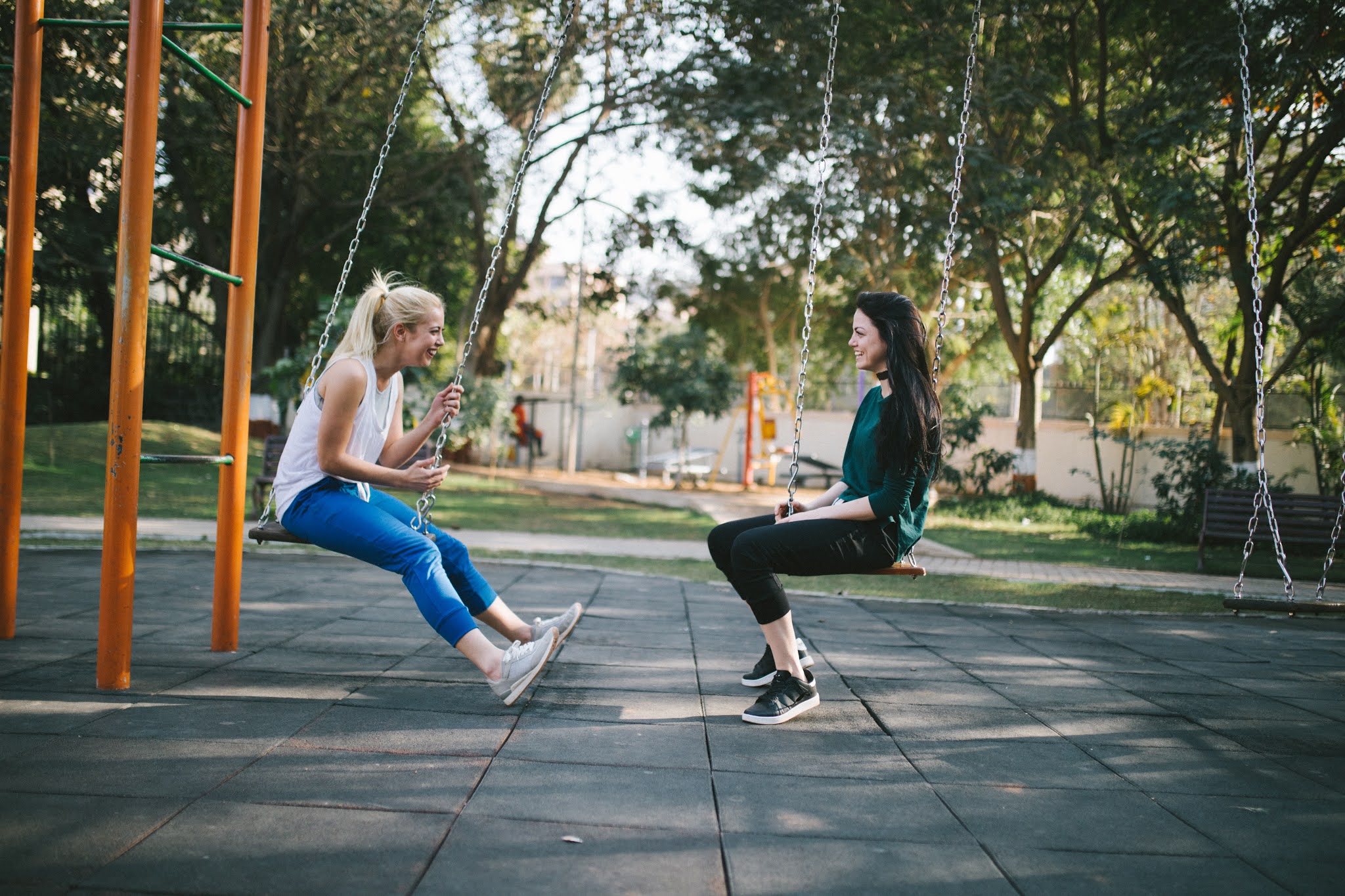
Friendship

(During the summer months, I like to take the A-Z Challenge and come up with words alphabetically and see how they apply to education. I think it’s a great exercise for teachers and students to give this a try.)

Friendship is always hard for my students with special needs. Being in special classes makes my students different from students in general classes. Their curriculum is different so they don’t have a lot in common with the other students. Due to their disability, they might have trouble connecting with others and making new friends.

The problem for my students is getting started. No one likes feeling rejected or ridiculed. Over the years, students notice the widening gap between students in general ed classes and special ed classes, Many teenagers pick on students who are different. So, my students have learned over time to protect themselves from bullying by staying apart from others. They set up a wall as a defense mechanism which makes it hard to make friends.

Sometimes there are students who want to act like friends to my students because they want to ridicule them. They appear to want to be friends so my students will do things and then they can laugh at them. My students want to have friends so much that they are willing to do things they know are wrong just so they can be accepted by their “new” friends.

I work hard on helping my students become self-advocates and speaking up for themselves. I want them to know that having a disability is not something they should be ashamed about and it is out of their control. Yet, how they cope with the disability and their behavior is something that they can control. Having control over themselves makes it easier to make friends.

I also have some of my more outgoing students who are willing to talk about their disabilities share information with students in other classes. By working with another teacher, we set up a short time for my students to speak to other classes. Many general education students avoid my students in special education because they don’t understand disabilities or how my students feel. I noticed the more awareness that my students can spread throughout the student body, the more comfortable other students are in including them in groups outside of my classroom.

Friendship can start out by acknowledging another student’s existence and not being mean to them. It might mean including them in some activities. Inviting them to sit at your lunch table can mean a lot. Eventually, as students get to know each other better, there might be more opportunities to do things together Soon a friendship can develop.

How would you help students develop friendships? Please share.

Photo by Bewakoof.com Official on Unsplash

Wednesday, September 5, 2018

Stay Alert

Recently a friend of mine told us that they had checked their young teen daughters’ phone for messages and texts and found out that one daughter had been communicating with two men who they believe are known pedophiles. What a shock this was for the parents! They never thought this would happen to them but luckily, they caught it in time and the girl is safe.

It is important that parents and teachers monitor what students are doing when connecting with others. In our house, we have always had the policy that if you had to hide something, you shouldn’t be doing it. My parents always impressed on me that they trusted me, but it was other people that they didn’t trust. It was this belief that kept me safe when I was growing up.

With all the craziness going on in the world, it is important that we are diligent and that we protect our vulnerable children.

The Missing and Exploited Children site has a great Resource page for parents and teachers.

 “The National Center for Missing & Exploited Children® provides safety and prevention resources for families and professionals focusing on child abduction, child sexual exploitation, and internet safety.”

I’m sorry if teens think this is an invasion of privacy but I think we need to move past the idea that we might hurt their feelings. My parents regularly searched my room, monitored my actions, and always knew where I was when I wasn’t at home. They spoke to the parents of kids I was going to hang out with. At times, they called to check that I was at the place I said I would be. If anyone thought they were overprotective parents, they didn’t care because they were doing what they thought was in my best interest.

As a teacher, I make sure that my students aren’t making unhealthy or dangerous connections during my class. We talk about the dangers of connecting with strangers and how we don’t know if they are really who they say they are. We talk about the possibilities and what safety measures are important to take. I don’t believe this discussion is something that happens one time but should be repeated at least every 3 to 4 months so students are reminded of the dangers. It is too easy to be influenced and forget about the safety measures.  

How do you monitor your students? Please share.

Photo by JC Gellidon on Unsplash


Monday, November 15, 2010

Disability Awareness Program

Last week I volunteered to help with a program on disabilities at Powdersville Middle School. The purpose is to make students aware of what it is like to live with a disability. The focus was on four disability areas: learning, visual, hearing, and physical and tIMAG0118here were 12 activity centers set up in the media center. All of the 7th graders were brought to the media center at different times with their teachers. Each student was assigned to go to 4 centers (one for each area) and there were about 4-5 students in each group. There were activities at each center that simulated what it is like to have that disability and the students stayed at each activity for 5 minutes. If you teach in SC and want to know more about this program, you can find information at the Family Connections web site.

IMAG0123I want to commend Barbara Dansby, the guidance counselor of Powdersville Middle School (left in picture), for organizing this event. It took a lot of time and energy to put this together and then find volunteers to help all day. There were a lot of supplies for most of the centers which are easily found but take some time to gather. I feel it also took time to convince the administration and teachers that this was a worthwhile program to invest instructional time in. Of course, I thought that since the school felt this program was important, it also shows how much the school community values all students including those with disabilities.

I was at the “Signing” table which involved talking to students about sign language. I had the group figure out a sentence that I spelled out to them. Then we tried to imagine what it would be like to sit in class the whole time not hearing and having to pay attention to someone signing the lesson. Next I taught them some signs for Thank You, Sorry, Water, Eat, Pizza, Study, No, Telephone which they seemed to enjoy. We talked about how hard it must be for a person with a hearing disability to succeed in school.

IMAG0117I spent the whole day there interacting with the students and was extremely pleased with how this turned out and how well behaved all of the students were. The students took this program very seriously and all of the students participated wholeheartedly during my activity. Someone in each group asked how a person who couldn’t hear could use a telephone so I explained about a TDD device which many had never heard of. All of the students were respectful and I never heard anyone make fun of any disability. In fact, I was thrilled when one group had lined up before their teacher as they prepared to leave the media center and called out to me. When I looked up at them, they all signed “Thank You!” to me. What a thrill it gave me!

I would highly recommend this program to schools to use in making their students aware of those who live with a disability. By involving students in these different simulations, they learn the difficulties that many face each day. Many students tease others because they don’t know or understand disabilities so this program takes away the unknown. It helps students learn and be tolerant of others who face these difficulties.

I think one of the reasons the students were so well behaved was that they didn’t have time to get bored or misbehaved. They were only at each table for 5 minutes and they were active participants in each activity. Since they were being asked to do something, they had to pay attention to what was being asked. I need to pattern my lessons in this way: short lessons with lots of active participation.

When the volunteers left, we were asked to evaluate the day which I thought was also important. Changes for the positive can be made in this way. At the time, I didn’t have any suggestions for the actual activities. But I think it would have been good for the students to write about their experiences and reflect upon what they did and how they felt. By doing this, I think it would help clarify their feelings and affect how they interact with others who have disabilities more. I think it would also help embed what they learned into their daily life. Maybe they did that in their classes when they returned but I forgot to ask.

Does your school or you do something like this? If so please share what you do and what activities it involves.

Posted on the Successful Teaching Blog by loonyhiker (successfulteaching at gmail dot com).

Original Photo “WHS volunteers set up and practice” by Pat Hensley

Original Photo “Barbara and some volunteers” by Pat Hensley

Original Photo “Writing without hands” by Pat Hensley