Showing posts with label respect. Show all posts

Tuesday, May 25, 2021

Respecting Other People’s Decisions

I recently posted this on Facebook and I thought I would post it here because it really explains what I feel. I believe that as an intelligent person, I can make my own decision about my health without being pressured by others. I will do what is right for myself and my family. Whatever health decision I make will not be motivated by politics or peer pressure.

(I don't usually copy and paste but I liked and agreed with this message.)

For my friends who have recently gotten their shot or who know they will get one soon, I’m happy for you. I can see how relieved you are and I’m so glad that this option is available!

For my friends who are in the hellz no group, I want to throw some love and respect your way, too.

The wonderful thing about informed consent is that two people with the same information, can make two completely different choices and neither of them is right or wrong

There are benefits and risks to every medical procedure. Doing the “right thing” means you’ve weighed the risks and benefits for yourself, and are making an informed decision! The only wrong decision IMO is made purely out of fear, social pressure, or emotional reactivity.

What’s right for one person, maybe wrong for the other. Both, on an intuitive and biological level. We’re all doing the best we can with the information and we have been given, so can this just be a gentle reminder *for all* to please respect each other and be mindful of the message we put out there making others “wrong”?

Reminder - this information is also part of one's personal health information act and you have the right to not answer when asked whether you choose to get vaccinated or not

So whether you choose;
CV shot
No shot
Tequila shot
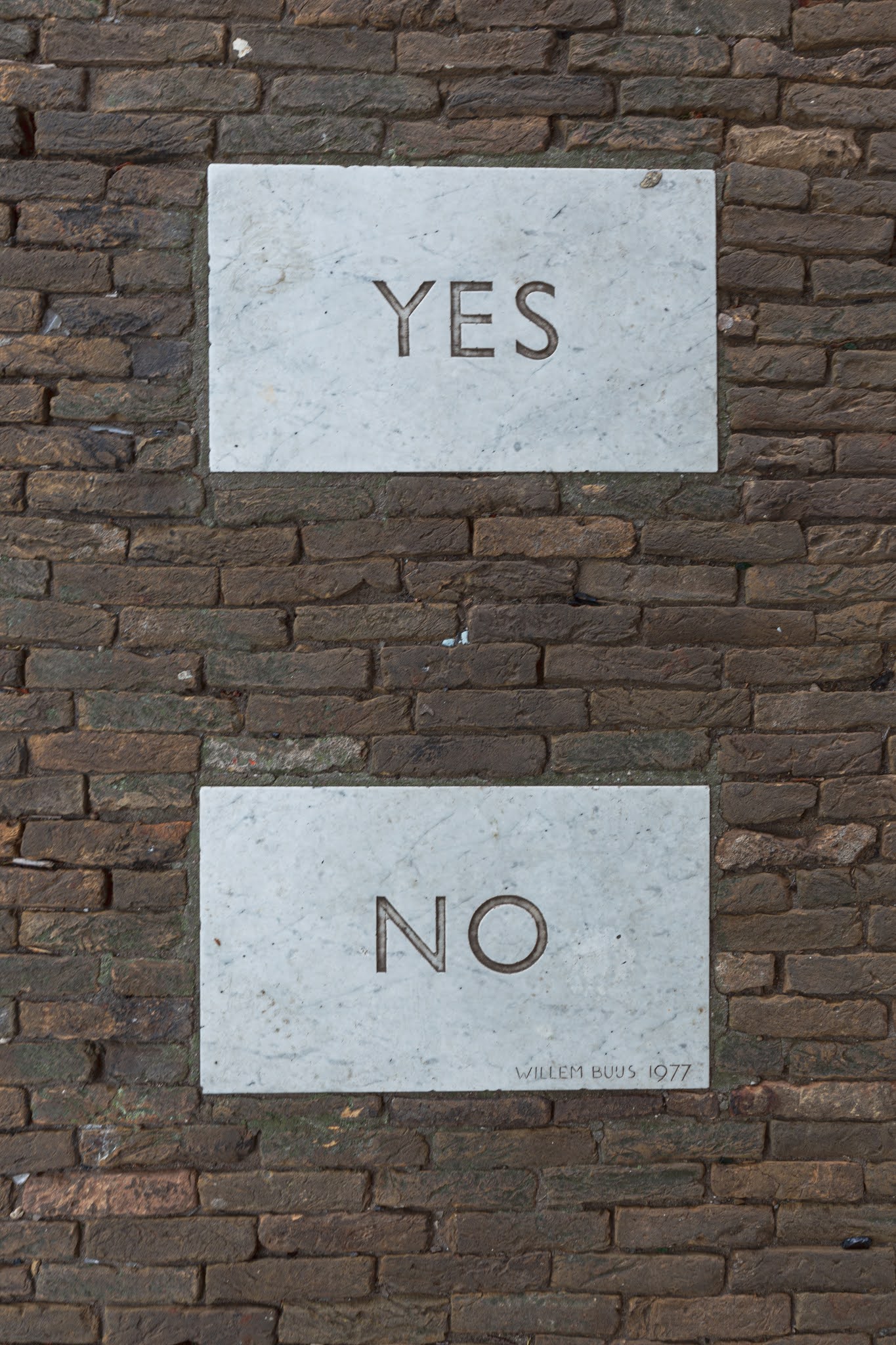
You’re okay in my books and I respect YOUR DECISION


When I’m asked if I had the vaccine or not, my answer is this:

I have stopped answering that question because it is a personal decision and no matter what my answer is, it will create controversy from one side or the other. I do not want to have any more contention in my life than I already have. Asking this question ranks right up there with asking me my political affiliation or my religious beliefs.

So, let’s talk about the weather…


Photo by Florian Schmetz on Unsplash

Wednesday, November 6, 2019

The Art of Giving


As this holiday season of Thanksgiving approaches, I see lots of people planning giving projects. I see people gathering gently used coats, hats, scarves, and mittens for the needy. I see people collecting food for the food banks. I see many people with a lot of good hearts thinking about other people. I see people collecting money and having fundraisers for others.

I think it is wonderful that there are so many people who think of others. It warms my heart to know that there are such nice people in the world despite seeing all the violence and horror on the news.

Yet, I want to warn people to be very sensitive in giving to others.

Some may not want to admit they need something or others don’t consider themselves needy.

It is important to respect other people’s privacy and pride.

While we may think that other people may need something, it is best to check with them first to see if they want what you are giving them. When asking them, it needs to be done privately so they don’t feel embarrassed.

Don’t assume that because you think people may need something, that they think they do too. They may be very happy just the way they are.

I have many students that would be embarrassed to take a used coat and then there are others who wouldn’t care. Sometimes respecting their pride and keeping them from being humiliated is more important than worrying about them keeping warm. If it gets bad enough or they get desperate enough, they will remember that you cared and may come to you for help at a later time.

What are some giving projects have you done that were successful? What advice would you give to finding recipients of your project? Please share.

Photo by Tom Parsons on Unsplash


Tuesday, November 8, 2016

Help Students Become Successful

In 9 Ways to Help Your Students Show Up Well from @DavidGeurin Blog,  David Geurin gives some ideas to help students in school to show up well. I agree with his ideas and wanted to include how I do the same thing in my classroom. His ideas are in bold italics and my ideas are below each one.

Here are some ideas everyone can use to help students in your school show up well:
1. Greet students, learn names, give high fives and fist bumps. Say hello to each person you meet in the hallway.
I like to greet each student at the door and shake their hand. They like to be treated as an adult and they learn to be comfortable shaking hands with people they meet. This is a great job skill for them to learn.

2. Get to know your students as people. Ask them about their hobbies, their weekend, or just about anything. Eat lunch with them. 
I like to find out if anyone plays on an extracurricular team or if they play a musical instrument. Then I try to attend a game or recital so I can cheer them on. One boy participated in skateboard competitions and would have a video showing his performance. Sometimes I would show the class.

3. Always protect each student's dignity. Show great care and concern. Give respect even when it's not returned. 
Students need role models and may not always know how to show respect. I try to show them respect and if I feel disrespected, I will talk to them alone and discuss their behavior. I try to show them how it would feel if I treated them in the same way.  Many times I can reason with them as long as I’m consistent with treating all of my students with respect.

4. Notice how your students are feeling. Make it safe for them to express their feelings to you without judgment. Ask them if they are okay? Check on them. 
I have my students write in a journal the first five minutes of class. They can write about a specific topic or write about how they are feeling and why. After the first few weeks, many students share a lot of their life and what they are going through.

5. Smile. Joke around. Use humor to lighten another person's load. Laughter makes life better and even more bearable. 
Many times I can diffuse a behavior incident with humor if I don’t let it get too far. I have to make sure that my humor doesn’t ridicule or embarrass the student though.

6. Meet a need. Provide a snack or a jacket or a pencil. If you can't meet the need, find someone who can. 
I don’t let my students off the hook if they forget school supplies but I do let them know that they can borrow what they need (with collateral which usually is a school badge). If they forget too often, it is time to call home and discuss whether this is becoming a habit rather than an accident.

7. Encourage and praise. Use your words to inspire and lift up. See the spark of genius in each student. 
Many of my students are not used to encouragement and praise. I try to do this and encourage them to do the same with their peers. Sometimes this takes an intentional time for practice. I also like to call home and brag about them to their parents. Then the parents share my praise with my student which makes the student want to do better in class.

8. Have high expectations. You can do it. I believe in you. I've seen you overcome this before. You can do it again. 

-->
I explain to the students that they need to reach for the stars and not let anyone take their dreams away from them. I do not tolerate disrespect or laziness. Mistakes are okay as long as the students learn from them.

9. Listen with empathy and try to understand. Approach that hurtful comment, behavior, or action with curiosity to understand the child better.

I try to think about why a student is behaving a certain way. I try to find out if there is some situation that sets off this behavior and if there is any way I can change or improve the situation. It is important that I don’t take the student’s behavior as a personal attack against me.

How do you do these things in the classroom? Please share.

Thursday, September 29, 2016

Presidential Election Year

I’m not going to get in any debate about who I’m for or against. But I have learned a lot during all of the hullabaloo that is going on. I don’t mean to make light of the election because I feel it is an important decision that will affect my future and quality of life. Yet, I’m surprised at the actions of people during this time. I saw this during the year that Barack Obama was first elected. I’m shocked by how people react to each other on social media. I think it is okay to feel strongly in your convictions but be aware that others may feel the same way about theirs. I do not understand why there is a breakdown in respect when it comes to this.

I think we can take this opportunity to teach our students a lot of things about tolerance. This includes tolerance about politics, race, finances and many other things that people feel strongly about.

1.     Ask questions. We need to keep asking questions until we are clear with the answer. There is nothing wrong with asking questions. Do not let others mock you for not understanding or wanting clarification.
2.     Be civil. We can have different opinions but still be civil. I see people who are intolerant of those who differ in opinion which can lead to violence. There is absolutely no excuse for resorting to violence when others do not agree with you. If we all agree about the same things, there would be no impetus to change for the better.
3.     Avoid name calling. When we start to use name calling, it only shows people that you have no logical evidence to back up your argument. This is childish and will not convince others to see your way.
4.     Sharing opinions. No one should ever be afraid to share an opinion even if it is not the popular opinion. We should not make others afraid to voice their opinion and should be respectful enough to allow others to have a differing opinion.
5.     Check the facts. When people are running for office, they tend to exaggerate or stretch the truth in many ways. Don’t believe anyone if you have doubts. Check the facts for yourself.
6.     Respect others. No matter how we feel, we should never react to other people’s opinions disrespectfully. If we do, then we need to look at our own actions and not the other person’s.

What other lessons do you think our students can learn during controversial times? Please share.